

Florida Rental Laws for Landlords | What Florida Property Owners Need to Know
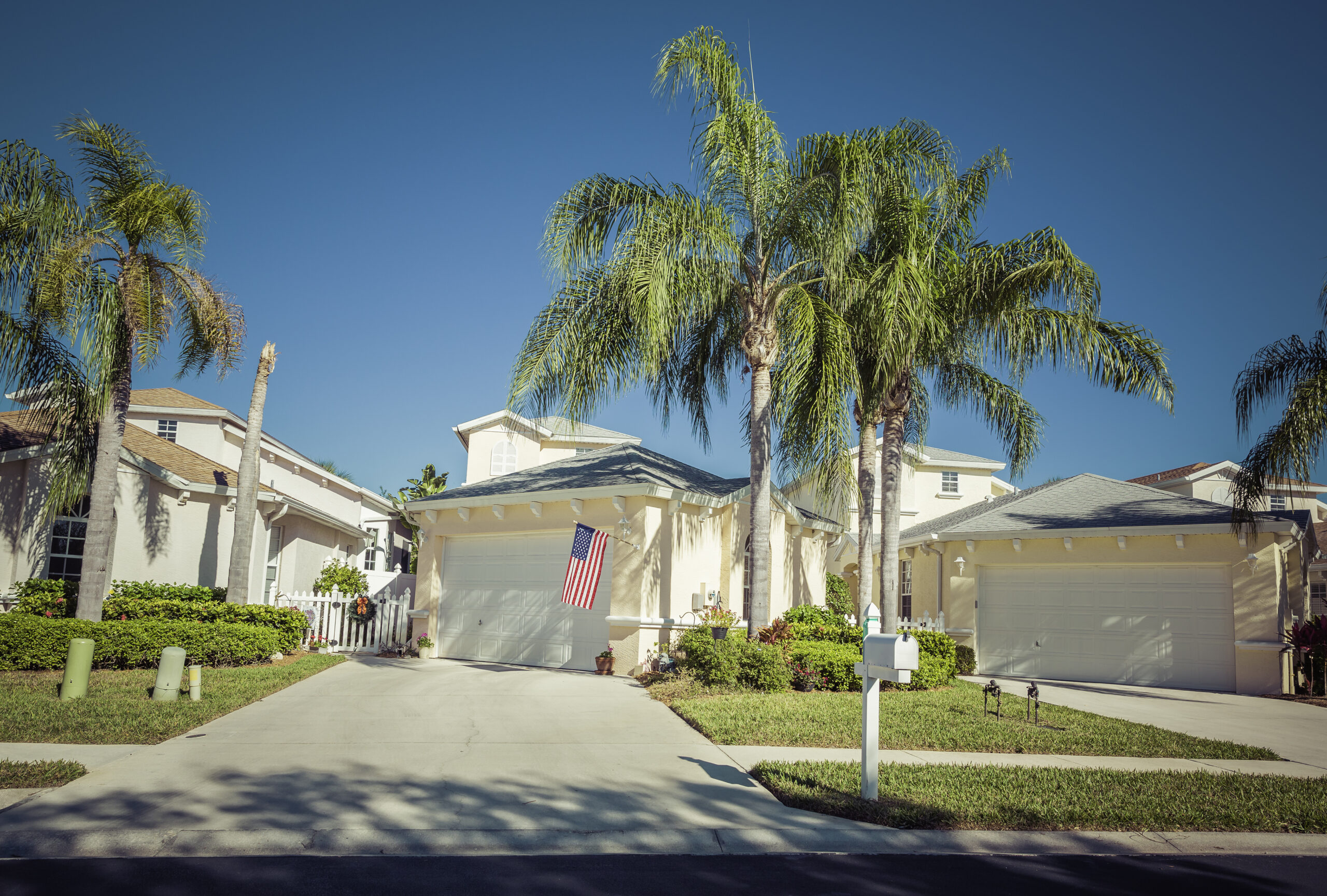
Understanding Florida rental laws for landlords is an essential part of owning rental property in the state. Beyond finding tenants and collecting rent, landlords must follow specific legal expectations that help protect both the property and the people living in it. Having a clear understanding of these responsibilities can help prevent disputes, reduce risk, and create a more stable rental experience over time.
What Should a Florida Lease Agreement Include Under Florida Rental Laws for Landlords
A lease agreement sets the foundation for the entire rental relationship. It should clearly outline rent terms, due dates, responsibilities, and expectations for both the landlord and tenant.
Strong lease agreements also address important details such as late payment policies, maintenance responsibilities, and rules for the property. When written clearly and consistently, a lease helps avoid confusion and gives both parties a clear reference point if issues arise.
How Security Deposits Work in Florida
Security deposits require careful handling and clear communication. Landlords should keep accurate records and ensure tenants understand how deposits are managed and what conditions may affect their return.
Providing clear expectations at the beginning of the lease and documenting property condition at move-in and move-out can help prevent misunderstandings and reduce disputes.
What Maintenance Responsibilities Do Landlords Have
Maintaining a safe and functional property is a key responsibility under Florida rental laws for landlords. This includes keeping major systems in working order and addressing necessary repairs in a timely manner.
Proactive maintenance not only protects the property but also helps maintain tenant satisfaction. Ignoring smaller issues can lead to larger, more expensive problems that could have been avoided.
What Fair Housing Rules Mean for Florida Landlords
Fair housing laws require landlords to apply consistent and non-discriminatory practices when screening tenants. Decisions should be based on objective criteria such as income, rental history, and creditworthiness.
Using a structured screening process helps ensure fairness while also protecting the landlord from potential legal issues.
How to Stay Compliant with Florida Rental Laws for Landlords
Staying compliant with Florida rental laws for landlords requires organization, consistency, and attention to detail. Proper documentation, clear communication, and reliable systems all contribute to smoother operations and fewer disputes.
Many property owners find that working with a professional management team helps simplify compliance and reduce risk. Tamar Property Group can help ensure your property is managed with structure, consistency, and local expertise.